
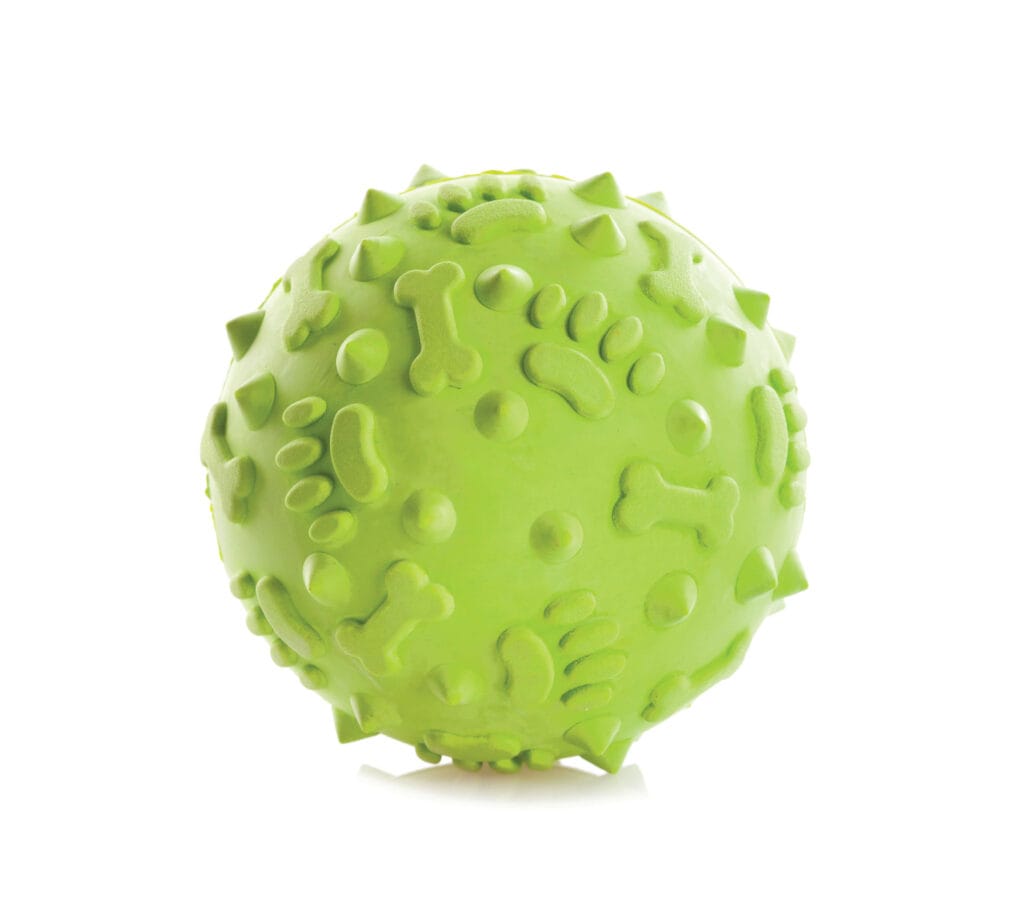
Q: Why does my one dog love to play with a ball, and my other seem totally disinterested?
A: The preference for playing with balls or other toys can vary widely among individual dogs, and several factors may contribute to these differences:
-
Breed characteristics:
Some breeds are more predisposed to enjoy fetching and playing with balls due to their natural instincts. Retrievers, for example, as their name suggests, are often known for their love of retrieving objects.
-
Individual personality:
Just like us, dogs have unique personalities. Some dogs are naturally more playful and enjoy interactive games, while others may be more laid-back and have different activities that they enjoy.
-
Puppyhood experiences:
Early experiences during a dog’s critical socialisation period can influence their preferences for play. Dogs exposed to a variety of toys and positive play experiences during puppyhood may develop a greater interest in play.
-
Socialisation and exposure:
As with puppyhood exposure, dogs that have just generally been exposed to more toys and play experiences are more likely to have diverse interests.
-
Training and encouragement:
Dogs that have been trained or encouraged to play with toys, including balls, are more likely to engage in such activities. Positive reinforcement and playtime with owners can foster a love for interactive games.
-
Health and age:
Health factors, such as dental issues or arthritis, can affect a dog’s willingness or ability to engage in certain types of play. Older dogs may have different preferences than puppies or young adults.
-
Prey drive:
Dogs with a strong prey drive may be more inclined to enjoy games that involve chasing or retrieving objects, such as balls. Breeds with high prey drive, like hounds, may find these activities particularly engaging.
-
Texture and size preferences:
Some dogs have specific preferences for the texture or size of toys. For example, a dog may prefer soft plush toys over hard rubber balls.
-
Owner interaction:
The level of interaction and engagement with owners can play a significant role. Dogs that enjoy interactive play with their owners may be more likely to engage in ball games.
-
Sensitivities:
Dogs may have different sensory sensitivities. Some may be more sensitive to sounds, movements, or textures associated with balls, influencing their preference for or aversion to playing with them.
Understanding your dog’s individual preferences and providing a variety of toys and play experiences can help cater to their unique interests. Additionally, observing your dog’s behaviour and adapting playtime activities to suit their preferences can strengthen the bond between you and your furry friend.

